

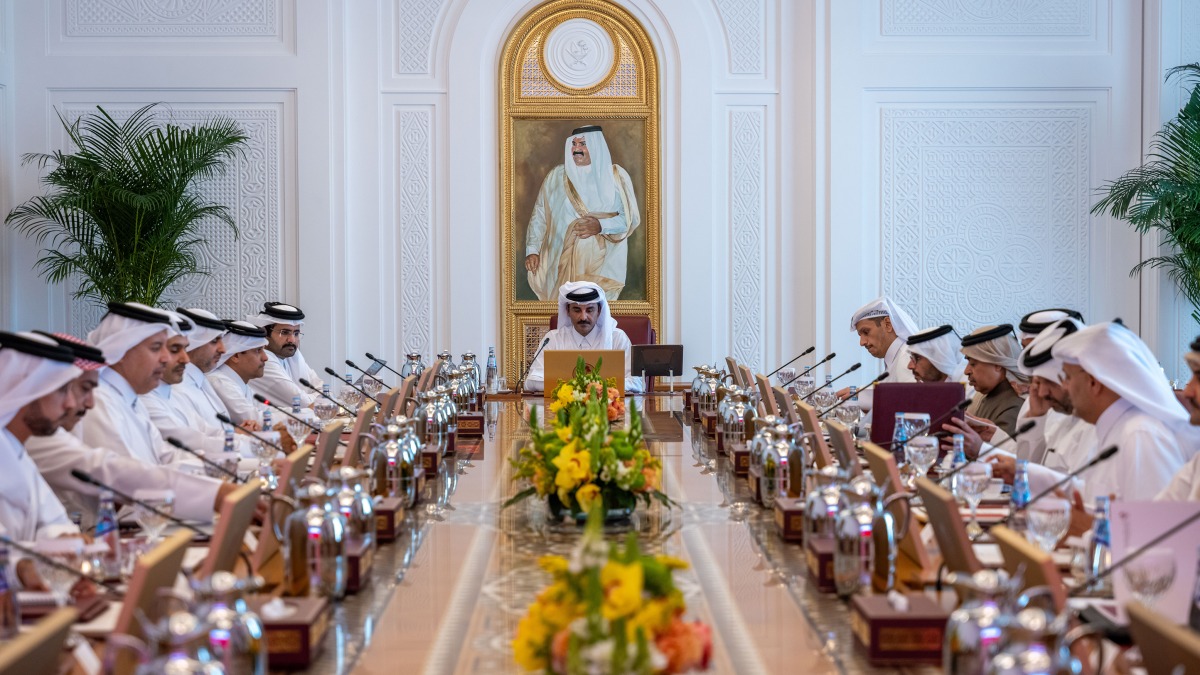
Following a high-level meeting on the sidelines of the Doha Forum, the State of Qatar and the European Union officially announced the launch of negotiations for a Qatar–EU Strategic Partnership Agreement (SPA), marking a significant milestone in bilateral relations and opening new pathways for cooperation in culture, tourism, and beyond.
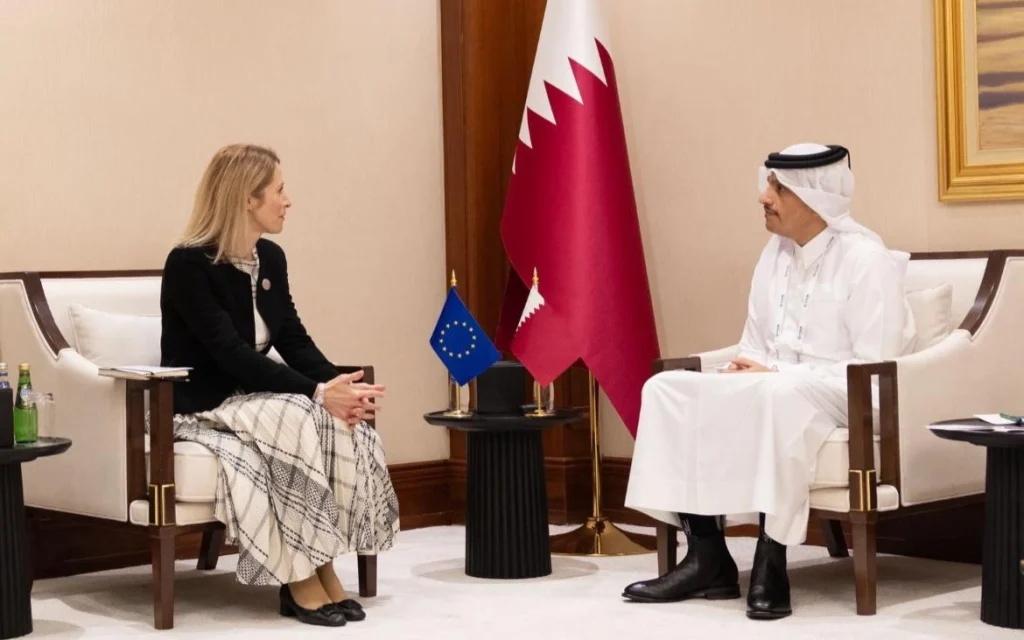
The announcement was made after discussions between His Excellency Sheikh Mohammed bin Abdulrahman bin Jassim Al Thani, Prime Minister and Minister of Foreign Affairs of Qatar, and Her Excellency Kaja Kallas, High Representative of the European Union for Foreign Affairs and Security Policy and Vice-President of the European Commission.
(For full details, see The Peninsula, EU Official Statement, and Gulf Times.)
A Future-Oriented Partnership Rooted in Shared Values
The Strategic Partnership Agreement represents a future-oriented and ambitious cooperation effort that underscores the strength of the Qatar–EU partnership. Both sides recognized the mutually beneficial opportunities to expand and deepen cooperation across priority areas of mutual interest, with particular emphasis on cultural diplomacy, tourism development, and people-to-people exchanges.
In her remarks, HE Kaja Kallas emphasized the strategic importance of the partnership:
“Qatar is a vital partner for the EU. Today, the EU and Qatar are committing to closer cooperation with the launch of negotiations for a new Strategic Partnership Agreement. Once in place, the new framework for bilateral engagement should bring benefits for both sides through joint work to uphold regional peace, boost common security, and increase prosperity across the two regions.”
HE Sheikh Mohammed bin Abdulrahman Al Thani echoed this sentiment, highlighting Qatar’s commitment to deepening ties with Europe in an increasingly complex regional and international landscape. Both leaders reaffirmed their shared determination to work more closely to uphold regional peace, prosperity, and security The Peninsula.
Culture and Tourism at the Heart of the Agreement
While the Strategic Partnership Agreement will cover a broad range of cooperation areas—including political dialogue, security, trade, and energy—both sides placed particular emphasis on the role of culture and tourism as strategic pillars that can strengthen mutual understanding and create lasting economic and social benefits.
The negotiations will explore new avenues for enhanced cooperation in priority areas such as:
- Joint cultural programs and festivals that celebrate the heritage and creativity of both regions;
- Tourism development initiatives that promote high-quality, experiential travel and cultural exchange;
- Educational and youth exchanges that build bridges between Qatari and European students, artists, and creative professionals;
- Heritage preservation and museum cooperation, leveraging Qatar’s world-class cultural institutions and Europe’s deep expertise in cultural management;
- Digital cultural platforms that make Qatari and European art, history, and traditions accessible to global audiences.
EU Commissioner for the Mediterranean, Dubravka Šuica, welcomed the launch of negotiations, noting:
“I welcome the launch of negotiations on a Strategic Partnership Agreement with Qatar. Strategic Partnership Agreements, along with the trilateral EU-Gulf-MENA cooperation promoted by the Pact for the Mediterranean, mark a new era in the EU’s relations with the region. Qatar’s role is central. Together we can advance stability, sustainable growth, and long-term prosperity both in the EU and in Qatar but also across the wider region”
EU Official Statement.
Building on Qatar’s Proven Capacity and Vision 2030
The Strategic Partnership Agreement builds on Qatar’s proven capacity to host major global events and its long-term development priorities under Qatar National Vision 2030. Qatar has demonstrated its ability to welcome the world through large-scale events, and the SPA negotiations aim to translate that success into sustained, year-round cultural and tourism engagement.
Both sides stressed the importance of:
- Developing thematic cultural routes connecting museums, heritage districts, galleries, and performance spaces in Qatar;
- Enhancing visitor services and digital information tools to make cultural sites more accessible to European and international visitors;
- Encouraging public-private partnerships in hospitality, events, and creative industries that showcase Qatari talent and foster collaboration with European counterparts.
The agreement also aligns with the EU’s broader strategy for engagement with the Gulf region, as outlined in the 2022 EU Joint Communication and the joint agenda launched at the 2024 EU-Gulf Cooperation Council (GCC) Summit in Brussels EU Official Statement.
Cultural Diplomacy as a Bridge in Complex Times
Both leaders emphasized that cultural cooperation and tourism can serve as bridges in times of rapid geopolitical change. HE Kaja Kallas noted that the partnership reflects a shared commitment to promoting regional stability and security through enhanced cooperation, recognizing Qatar’s prominent role in mediation efforts and the EU’s principled commitment to safeguarding the rules-based international order Gulf Times.
HE Sheikh Mohammed bin Abdulrahman Al Thani underscored that cultural and people-to-people ties complement and reinforce broader economic and diplomatic relations:
“In an increasingly complex world, culture and tourism build the human connections that outlast any moment of tension. When we welcome visitors, host artists, or work with partners from Europe and beyond, we are investing in understanding, trust, and shared opportunity.”
Next Steps and Implementation
The upcoming negotiation process will explore new avenues for enhanced cooperation in priority areas of mutual interest. Both sides reaffirmed their steadfast commitment to deepening their partnership and further elevating their dynamic and mutually reinforcing relations The Peninsula.
The Strategic Partnership Agreement is expected to:
- Provide a comprehensive framework for Qatar–EU cooperation across political, economic, cultural, and security dimensions;
- Establish clear mechanisms for regular dialogue and coordination on shared priorities;
- Create tangible opportunities for collaboration between Qatari and European institutions, businesses, and civil society organizations.
The negotiations will continue in the coming months, with both sides committed to reaching an agreement that delivers concrete benefits for their citizens and contributes to regional and global stability, prosperity, and cultural exchange.